
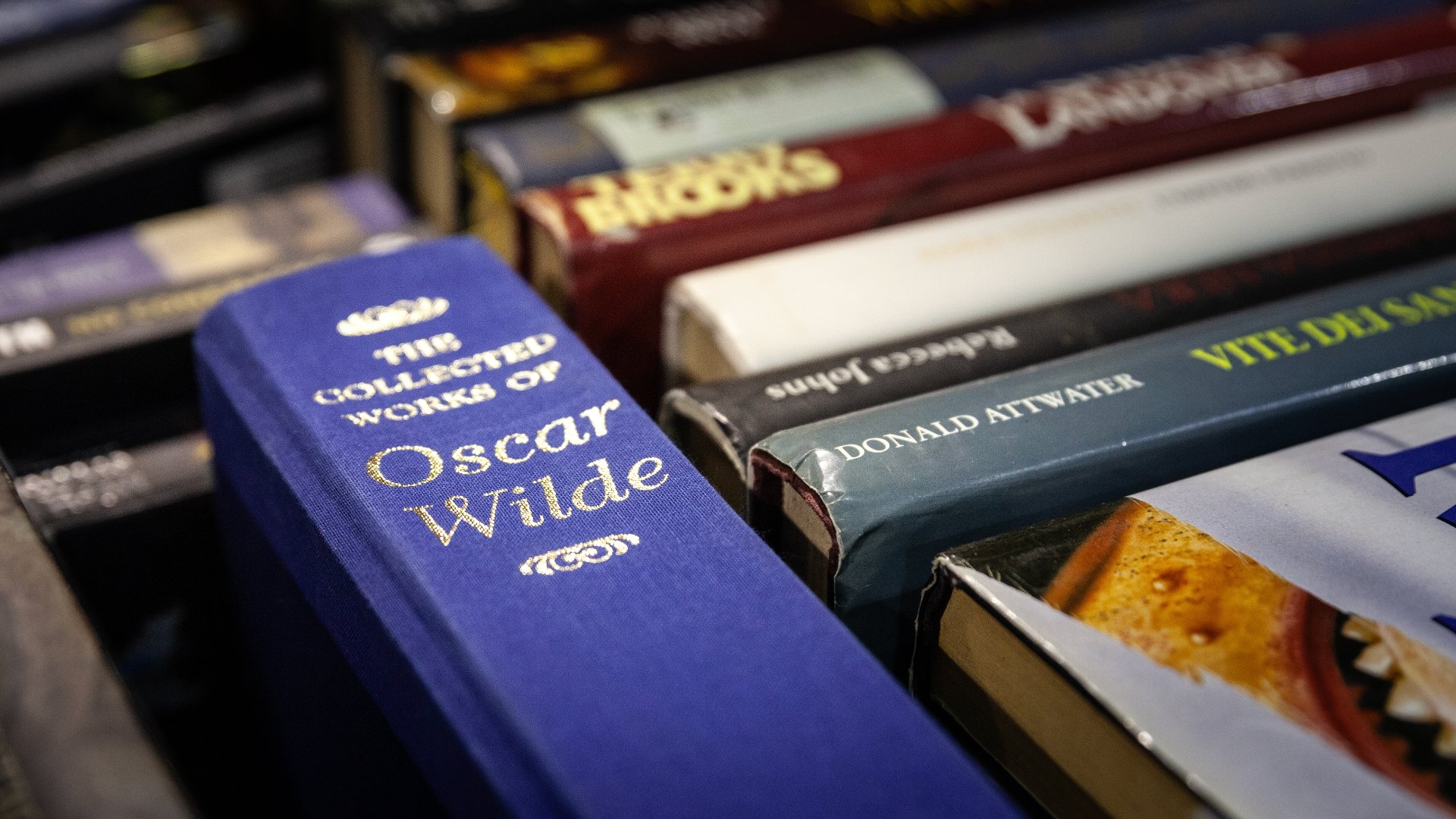
Oscar Wilde, the renowned Irish dramatist, author, poet, and critic, excelled in sharp humor and societal critique. Apart from his famous theatrical pieces, Wilde produced various writings that still enthrall audiences with their clever wordplay and deep observations. Below are five significant creations that provide insight into his exceptional literary talent:
1.
2.
3.
4.
5.
The Portrait of Dorian Gray
(1890)
Oscar Wilde’s sole novel,
The Portrait of Dorian Gray
is considered a seminal piece of
fin-de-siècle
It narrates the tale of Dorian Gray, an innocent youth whose ambition is for his portrait to grow old rather than himself. His desire materializes, leading Dorian into a lifestyle marked by indulgence and ethical decline. As he embraces this path, the painting ages grotesquely, embodying all his transgressions, whereas he stays perpetually youthful.
novel
explores concepts of attractiveness, morality, the detrimental impacts of an overemphasis on appearances, and the fragmented aspect of human nature.
Searching for your next book? These articles might pique your interest:
- 5 Books That Will Inspire You to Visit Los Angeles
-
Here are five books that might inspire your desire to visit Naples:
1. “The Neapolitan Novels” by Elena Ferrante – This series captures life and emotions within Naples.
2. “Under the Volcano” by Malcolm Lowry – Although set elsewhere, this book’s evocative style can transport readers’ imaginations.
3. “Open City: A Novel” by Teju Cole – While centered around New York City, its literary richness could spark wanderlust for Italy too.
4. “Chronicle of an Death Foretold” by Gabriel García Márquez – Though not directly about Naples, his narrative magic may entice you.
5. “Naples Invisible” by Luca Di Fulvio – An authentic portrayal of contemporary Naples through vivid storytelling. - 5 Must-Read Nordic Thrillers for Fans of Scandinavian Literature
Intentions
(1891)
Wilde’s sharp intellect and dedication to aesthetic principles shine through in these four essays. In particular, “The Decay of Lying,” “Pen, Pencil and Poison,” “The Critic as Artist,” and “The Truth of Masks” delve into core ideas about art, the function of critics, and how creative expression intertwines with everyday existence. Importantly, within “The Decay of Lying,” Wilde asserts that art shapes life far more significantly than life influences art, highlighting his belief in the transformative impact of art on our perception of reality.
De Profundis
(1897)
Originally titled
Lettera: Enfermo y Encadenado
, Oscar Wilde’s
De Profundis
It is an extensive, highly intimate epistle addressed to Lord Alfred Douglas. This document chronicles Wilde’s journey of spirituality, his thoughts about their previous connection, and his growing comprehension of pain and modesty, showcasing a reflective aspect of the writer. The piece functions as a poignant meditation on creativity, belief, and how adversity can alter one profoundly.
The Happy Prince and Other Stories
(1888)
Oscar Wilde’s compilation of five enchanting fables employs exquisite prose to craft profound social critiques. The ensemble of narratives — including “The Happy Prince,” “The Nightingale and the Rose,” “The Selfish Giant,” “The Devoted Friend,” and “The Remarkable Rocket” — explore concepts such as selflessness and genuine beauty. Despite their seemingly child-oriented nature, these stories carry an underlying significance intended for adult audiences, gently yet pointedly challenging prevailing societal norms and individual behaviors.
Lord Arthur Savile’s Crime and Other Tales
(1887)
This anthology of short tales showcases Wilde’s skillful storytelling and his talent for clever sarcasm. Among the included works are “Lord Arthur Savile’s Crime,” a lighthearted tale about a gentleman postponing marriage after foreseeing he will commit murder; the amusing supernatural yarn, “The Canterville Ghost”; the enigmatic “The Sphinx Without a Secret”; and “The Model Millionaire,” which delves into unexpected advantages of being charitable. These varied stories highlight Wilde’s adeptness at crafting engaging plots rich with insightful societal critique and his signature ironic touch.